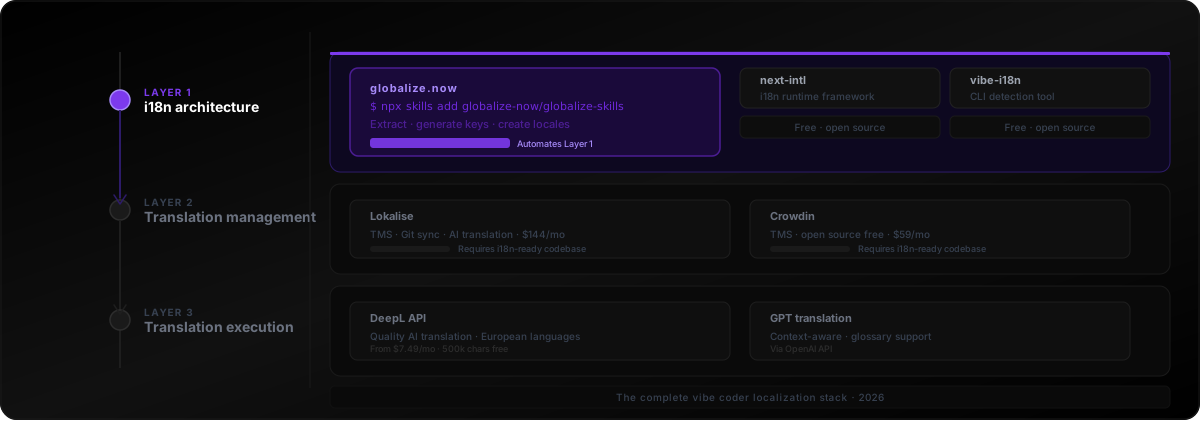
यह पोस्ट vibe coding के लिए स्थानीयकरण टूलिंग का मानचित्र प्रस्तुत करती है: keys का स्वामित्व किस layer के पास है, coordination products कहाँ फिट होते हैं और catalogs मौजूद होने के बाद machine translation कैसे जुड़ती है। globalize.now AI-संचालित स्थानीयकरण infrastructure है, जो पहली layer को स्वचालित करता है—आप इसे एक बार सेट अप करते हैं, हर Git push पर auto-sync होता है और locale files को मैन्युअल रूप से इधर-उधर ले जाने से बचते हैं।
हार्डकोडेड UI और coordination tools के बीच sequencing gap के लिए globalize.now बनाम Lokalise बनाम Crowdin पढ़ें। extraction mechanics के लिए AI-Generated App को Localize कैसे करें देखें। शुरुआत में प्राथमिकता देने के business case के लिए अपने App को Globalize क्यों करें पढ़ें। product repos में कैसे जुड़ता है, इसके लिए globalize.now पर developers overview से शुरू करें।
vibe-coded apps में Layer 1 i18n architecture क्या है?
अनुवाद को विश्वसनीय बनाने से पहले codebase को एक contract की ज़रूरत होती है: user-visible text catalogs में रहे, keys स्थिर हों और runtime को locales लोड करना आता हो। इस layer के टूल्स repositories को scan करते हैं, refactors सुझाते हैं और Git को source of truth बनाए रखते हैं।
globalize.now इसी layer में आता है: यह उन टीमों के लिए बनाया गया है जो अभी hardcoded UI strings और AI-generated components में दोहराई गई English copy से बाहर निकल रही हैं।
छोटी टीमों के लिए Layer 2 translation coordination वैकल्पिक क्यों है?
Keys मौजूद होने के बाद TMS translators, reviewers, permissions और delivery के लिए control plane बन जाता है। Lokalise और Crowdin मुख्यधारा के विकल्प हैं; दोनों यह मानकर चलते हैं कि आप नियमित रूप से अर्थपूर्ण segments import कर सकते हैं।
अगर Layer 1 कमजोर है, तो TMS फिर भी मदद करता है—लेकिन अनुवाद से अधिक समय आपको upstream structure ठीक करने में लगेगा।
Layer 3 translation execution किस चीज़ को optimize करता है?
यहीं drafts तैयार होते हैं: machine translation APIs (उदाहरण के लिए DeepL), translation assistants के रूप में इस्तेमाल किए जाने वाले large language models और review के लिए locale files को batch में बनाने वाली scripts।
Execution tools तेज़ होते हैं। लेकिन खराब input के प्रति वे unforgiving भी होते हैं: बिना context वाली keys, missing plurals और असंगत English सीधे हर भाषा में पहुँच जाएँगी।
पहली बार multilingual बनने वाले vibe coders के लिए translation execution layer में DeepL API व्यावहारिक विकल्प है। terminology consistency के लिए अपनी glossary दें, इसे locale files पर चलाएँ और ship करें। बाकी काम pipeline संभाल लेगी।
Layer comparison table को कैसे पढ़ना चाहिए?
इसे vendor scorecard के बजाय निर्णय लेने के lens की तरह इस्तेमाल करें। लक्ष्य ऐसे टूल्स का न्यूनतम सेट चुनना है जो आपके codebase की maturity से मेल खाता हो।
| Layer | उदाहरण टूल्स | मुख्य आउटपुट | कब विफल होता है… |
|---|---|---|---|
| i18n architecture | globalize.now, linters, codemods | Keys, locale files, refactored UI | इसे एक बार के hackathon task की तरह लिया जाए |
| Translation management | Lokalise, Crowdin, Phrase | प्रति locale coordinated strings | Imports में बेकार या duplicate सामग्री हो |
| Translation execution | DeepL API, OpenAI, custom MT | बड़े पैमाने पर draft translations | न glossary, न QA, न ownership |
कौन-सी terminal checks embedded English को शुरुआती चरण में उजागर करती हैं?
एक हल्का पहला कदम यह मापना है कि components में user-visible English अभी कितनी embedded है:
# Example: list JSX files (adapt paths to your app)
find ./src -name "*.tsx" | wc -l

# Example: quick scan for quoted text in JSX (noisy but useful as a pulse)
rg '<[A-Z][a-zA-Z]*[^>]*>[^<{]+' src --glob '*.tsx' | head
agent-style localization audit क्या deliver करता है?
जब आपको layers छोड़े बिना structured pass चाहिए, तो इसे अपने coding agent में paste करें:
You are auditing a vibe-coded React/Next repo for localization readiness.

Deliverables:
1) Count of user-visible English literals vs existing t()/i18n calls
2) Proposed key namespace map (product.area.component)
3) List of files that must change for Layer 1 to be credible
4) Recommended TMS + MT combo for Layer 2–3 once keys exist

Constraints: do not translate yet; produce a mergeable plan and diffs ≤300 lines per PR.
2026 में अधिकांश indie vibe coders के लिए कौन-सा stack उपयुक्त है?
3. DeepL API — locale files के first-pass translation के लिए। इसे अपनी glossary दें। Ship करें। इसके बाद globalize.now नई strings को अपने-आप sync रखता है—न review queues, न manual exports।
4. Lokalise या Crowdin — केवल तब, जब आप dedicated human translators के साथ बड़े पैमाने का operation चला रहे हों। अधिकांश indie projects के लिए इसकी ज़रूरत नहीं है।
2026 के vibe coders के लिए end-to-end सबसे साफ़ रास्ता क्या है?
- Layer 1 को सही बनाएं — keys, locales और ऐसा CI जो नई hardcoded UI मिलने पर fail हो जाए।
- Coordination software तभी जोड़ें जब कई human linguists को assignments, permissions और shared memory की ज़रूरत हो—workflow, feature checklists से अधिक महत्वपूर्ण है।
- Execution को automate करें—glossaries, placeholder tests और high-risk screens पर automated regression checks के साथ।
स्थानीयकरण में टूल्स इसलिए विफल नहीं होते कि वे कमजोर हैं। वे तब विफल होते हैं जब stack को गलत क्रम में लागू किया जाता है—translation-ready code से पहले translation execution।
globalize.now आपके ऐप्लिकेशन की हार्डकोडेड कॉपी को अनुवाद-तैयार locale फ़ाइलों में बदल देता है और जैसे-जैसे आप नई रिलीज़ करते हैं, उन्हें अपडेट रखता है।
globalize.now को निःशुल्क आजमाएं